

The Best Premium Hats Worth Buying for Long-Term Style
Article summary: Not every hat is worth the money. But a few specific styles, made from the right materials and built to hold their shape through years of regular wearing, pay for themselves many times over. This guide covers what genuine quality looks like in a hat, which styles make the strongest case for a premium investment, and how to protect what you spend. Covering wool felt fedoras, authentic Harris Tweed caps, and the classic bowler, with practical care guidance and a hat size check before you buy.
A good hat bought once costs less over ten years than three mediocre ones bought repeatedly. That is the entire case for investing in quality headwear, stated plainly. What follows is the detail behind it: which materials hold up, which styles remain relevant, and which specific hats make the argument most convincingly.
This is not a list of expensive options. It is a guide to understanding what separates a hat that lasts from one that does not, and which styles are worth the premium.
What Actually Separates a Quality Hat from the Rest
Before looking at specific styles, it is worth understanding what you are paying for when you spend more on a hat. The difference between a quality hat and a poor one is visible, tactile, and structural. It shows up immediately and compounds over the years of wearing.
The Material Question
Wool felt is the benchmark material for investment headwear. It is made from compressed wool fibres that interlock under heat and pressure to create a dense, durable fabric. Quality wool felt has a smooth, even surface with consistent density. It holds its shape under pressure, recovers from rain without permanent damage, and breathes sufficiently for year-round wearing. A well-made wool felt hat, properly cared for, holds its structure and appearance for decades.
Synthetic felt is lighter, cheaper to produce, and noticeably different in texture and behaviour. It does not breathe, loses shape more readily in heat and humidity, and lacks the weight and drape that gives quality wool felt its visual authority. The difference is apparent the moment you hold both.
Harris Tweed occupies its own category. Under the Harris Tweed Act 1993, genuine Harris Tweed must be hand-woven by islanders in the Outer Hebrides of Scotland using pure virgin wool. The resulting fabric is dense, weather-resistant, and carries a quality certification from the Harris Tweed Authority. It is genuinely difficult to replicate and, unlike most fashion materials, improves slightly with wear as the fibres bed in.
What Good Construction Looks Like
In a quality hat, the sweatband sits level and is stitched cleanly with no loose threads. The crown holds its shape when pressed and returns to it when released. The brim is consistent in width and lies flat without warping. The seams, where visible, are tight and even.
These are not luxury details. They are baseline indicators of a hat that will hold up through regular wearing rather than deteriorating within a season.


The Wool Felt Fedora and the Case for Buying It Well
The wool felt fedora is the investment hat with the broadest argument behind it. No hat style has demonstrated more consistent relevance across more decades of fashion history, and no hat earns its price more reliably through frequency of use.
The fedora's structure works for the same reasons today that it worked when the style became widely popular in the early twentieth century. The pinched crown and wide brim create a silhouette that photographs well, ages well, and suits a range of face shapes and outfit styles. A well-made wool felt fedora in camel, charcoal grey, or chocolate brown earns use from September through May and handles every occasion from a Saturday walk to a smart event.
The investment logic is straightforward. A quality fedora worn twice a week through the cooler months represents roughly one hundred wearings per year. Over five years, that is five hundred wearings from a single purchase. The cost-per-wear on a hat bought well approaches the cost of a coffee. On a cheap one that loses its shape after one season, the maths moves in the opposite direction.
For anyone weighing up which fedora style earns the most use, the complete history and enduring appeal of the fedora give the full context for why this specific silhouette has outlasted every trend cycle it has passed through.
Browse Men's Fedora Hats and Women's Fedora Hats for the wool felt styles built to the standard this argument requires.


Harris Tweed Caps and the Investment in British Heritage Fabric
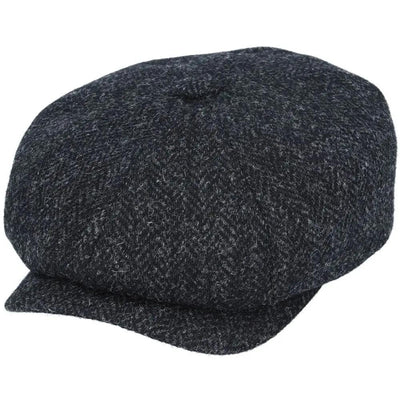
Harris Tweed caps sit at the top of the flat cap category for one specific reason: the fabric cannot be replicated. Every genuine Harris Tweed item carries the Orb Mark of the Harris Tweed Authority, certifying that the cloth was hand-woven in the Outer Hebrides from pure virgin wool. No other fabric in the world carries that legal designation.
That provenance matters beyond sentiment. The hand-weaving process creates an irregular, slightly textured weave structure that machine-woven fabrics cannot reproduce. This gives Harris Tweed its distinctive visual character, its particular drape, and its durability. A Harris Tweed cap worn regularly for ten years will show the wear of use without losing its structural integrity. It develops character rather than deteriorating.
The styling range of a Harris Tweed flat cap is wider than its heritage associations suggest. With a waxed jacket, moleskin trousers, and leather boots, it is exactly the countryside classic it appears to be. With dark slim jeans, a quality roll-neck, and a wool overcoat, it works equally well in an urban context. The cap does not require a specific aesthetic to carry it convincingly.
One customer described their Novella Hats cap as arriving in packaging that matched the quality of the hat itself. The hat, they noted, was built to a standard that justified the price immediately. That consistency across product and experience is what makes the repeat purchase rate for Harris Tweed styles as strong as it is.
The full argument for Harris Tweed and wax cotton as the two most enduring British hat materials is laid out in the guide on why Harris Tweed and wax caps are the ultimate long-term investment.
Browse the Harris Tweed Caps collection for the styles carrying the authentic Orb Mark certification.


The Bowler Hat and Why Structured Hats Age Better Than Soft Ones
The bowler hat makes the investment case through a different argument than the fedora or the Harris Tweed cap. Where those styles earn their keep through frequency of use, the bowler earns its place through its structural integrity and the specific occasions it owns.
First produced in 1849 by hatmakers Thomas and William Bowler for London haberdasher Lock & Co., the bowler was designed specifically to withstand physical pressure without losing shape. The hard felt or rigid shell construction that made it practical for Victorian gamekeepers and city workers is the same quality that makes it an extraordinary investment piece today: it simply does not deform under normal use.
A quality bowler, properly stored, will look identical in twenty years to how it looks today. No other hat style makes that claim as confidently. The rounded crown and narrow brim create a silhouette that has proven resistant to dating in the way that more fashion-forward hat shapes can. Worn with a long structured coat, tailored separates, and quality footwear, it reads as considered and deliberate rather than period-specific.
The bowler hat's complete styling and history guide covers both the historical weight behind the style and the practical outfit formulas that make it work in contemporary wardrobes. For anyone prepared to wear it with conviction, the bowler is the most structurally durable investment in this entire category.
Browse Men's Bowler Hats for the hard felt and structured styles built to the original specification.
How Long Should a Premium Hat Actually Last?
A properly made premium hat should last many years, not just a few seasons. A dense wool felt fedora can remain structurally sound for a decade or more with regular wear, a genuine Harris Tweed cap often lasts ten years or longer, and a hard felt bowler can endure for decades if stored correctly. Longevity depends on fibre quality, construction, and care. A well-made hat should gradually develop character over time rather than lose its shape quickly. If a hat looks worn out after one winter, it was likely not built to true premium standards.
How to Protect What You Have Spent
Buying well is half the equation. The other half is basic care that most people are never told about.
Wool felt should be stored on a hat stand, a purpose-made hook, or crown-down on a flat surface. Storing it brim-down flattens and warps the brim over time. A wide-brim fedora stored carelessly on its brim for one season is noticeably different from one stored correctly.
Harris Tweed caps can be spot-cleaned with a damp cloth and mild soap. They do not respond well to machine washing, which loosens the hand-woven structure. Air drying flat, away from direct heat, maintains the fabric's density.
Hard shell bowlers require almost no maintenance beyond occasional brushing with a soft hat brush and avoiding sustained pressure on the crown. The rigid construction handles life well without intervention.
Fit is the factor most people overlook when buying a hat. A hat that does not fit correctly looks wrong regardless of its quality, and wearing a too-tight hat regularly over time can alter its shape at the sweatband. Before committing to a premium purchase, the hat size guide for UK, US and EU measurements gives the exact method for measuring correctly. Two minutes with a tape measure before buying is worth considerably more than a return after the fact.
Wool Felt Trilby Hat
A handmade 100% wool felt trilby with a short brim and sharp silhouette. Perfect for smart-casual outfits and timeless styling.
Shop Now - $48.00
Frequently Asked Questions
What materials make a hat last the longest?
Wool felt and Harris Tweed are the two materials with the strongest track record for longevity in headwear. Quality wool felt is dense, shape-retentive, and handles regular wearing over years without deteriorating structurally. Genuine Harris Tweed, produced under the Harris Tweed Act 1993 in the Outer Hebrides, is hand-woven from pure virgin wool and develops character with wear rather than degrading. Hard felt, used in bowler hats and some structured fedoras, is the most physically durable option and maintains its shape almost indefinitely with basic care.
Is a Harris Tweed hat worth the higher price?
Yes, for two reasons. First, genuine Harris Tweed cannot be mass-produced. The hand-weaving requirement creates a natural quality ceiling that industrially produced alternatives cannot match. Second, the fabric's durability means the per-wearing cost over five or ten years makes the initial price straightforwardly reasonable. A Harris Tweed cap worn regularly for a decade represents a cost-per-wearing that most accessories cannot match. The Orb Mark certification is the only reliable way to confirm you are buying genuine Harris Tweed.
How do I know if a hat is genuinely good quality before buying?
Check four things. First, press the crown lightly. A quality hat returns to shape; a poor one does not. Second, examine the sweatband: it should sit level, be stitched cleanly, and show no loose threads. Third, hold the brim at both ends and check it is consistent in width and lies flat without warping. Fourth, feel the weight and texture of the fabric: quality wool felt has a smooth, even density with visible depth. Lightweight, papery felt is a reliable indicator of synthetic content or poor wool grade. These checks take thirty seconds and tell you most of what you need to know.
Which premium hat style offers the best versatility across occasions?
The wool felt fedora in a neutral colour offers the widest occasion range of any investment hat. In camel, charcoal, or chocolate brown it moves from casual weekend dressing through smart-casual events to formal daytime occasions with an outfit change rather than a hat change. The Harris Tweed flat cap is a close second for those whose wardrobe skews casual to smart-casual. The bowler offers the strongest formal argument but a narrower everyday range. Matching the style to your actual occasion calendar makes the investment most efficient.
The Hat That Earns Its Price
Over 10,000 hats have been sold through Novella Hats in the past year, with fedora styles and Harris Tweed caps consistently leading those numbers. One customer summed up what draws buyers back: "The quality is amazing." That is the standard a premium hat should meet before you spend the money.
The investment is not in owning something expensive. It is in owning something that earns its place in your wardrobe season after season, that looks better the more deliberately you wear it, and that costs less per wearing over its life than anything you bought cheaply and replaced twice.
Explore the full All Hats collection and find the style that makes the investment argument most convincing for your wardrobe.
Shop Classic Wool Hats - From $34.00 USD
How UK Fashion Creators Are Styling Hats in 2026
How to Build Streetwear Outfits Around a Snapback Cap
Articles Similaires

Harris Tweed Flat Caps & Newsboy Caps: The Ultimate Autumn-Winter Style Guide

Best Top Hat Styles for Women: From Victorian to Modern Fashion

Women's Pork Pie Hat: Vintage Chic Flat Crown Felt Cap Guide

Men's Pork Pie Hat: Retro Flat Crown Brim Cap Styling Guide

Women's Trilby Hat for Summer: Light and Stylish Looks

How to Wear a Trilby Hat with a Suit: Men's Smart Style Guide

The Complete Fedora Material Guide: Wool Felt, Straw and Panama
